How to Do Dry Sift: A Complete Guide with the Right Dry Sift Screen Set
Introduction: Getting Started with Dry Sift
Dry sift is a simple yet highly effective method for separating fine plant resin from raw botanical material. Unlike complex extraction techniques, it requires minimal equipment—but the quality of your tools, especially your dry sift screen set, can significantly impact your final results.
If you’ve ever wondered how to achieve cleaner separation or improve efficiency, this guide will walk you through exactly how to do dry sift step by step.
What You Need for Dry Sift
Before starting, make sure you have the right setup:
- Dried plant material
- A clean, flat workspace
- A high-quality dry sift screen set
- Collection tools (card, scraper, or tray)
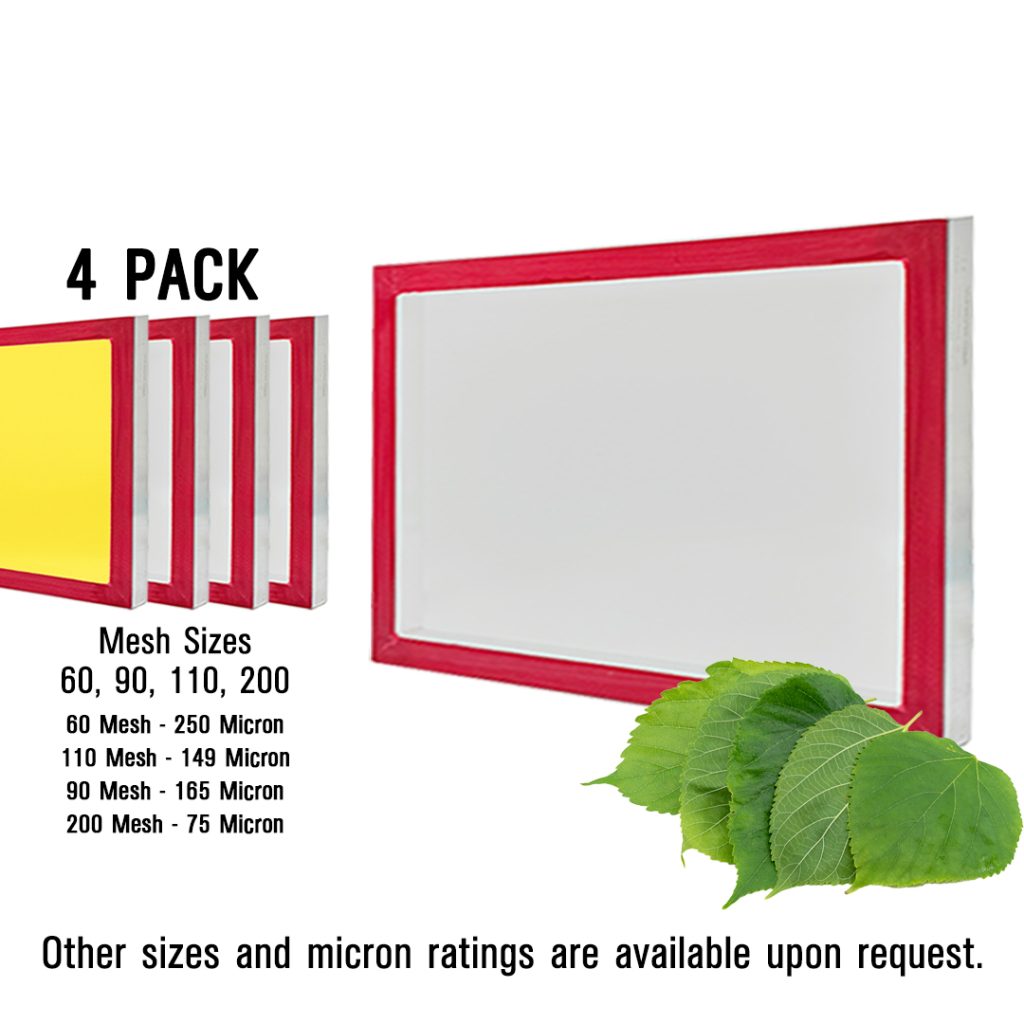
A professional dry sift screen set with multiple micron options is essential. It allows you to control the separation process and achieve better refinement across each stage.
Step-by-Step: How to Do Dry Sift
Step 1: Prepare Your Material
Start with properly dried plant material. For better results, slightly cooling the material before processing can improve separation efficiency.
Well-prepared material works more effectively with your dry sift screens, allowing finer particles to pass through without contamination.
Step 2: Set Up Your Dry Sift Screen Set
Arrange your dry sift screen set in layers, from larger micron sizes to smaller ones.
A typical setup might include:
- Top layer: 120–160 micron
- Middle layer: 70–90 micron
- Bottom layer: 25–45 micron
This layered approach ensures that your dry sift mesh screen system gradually refines the material.
👉 Product Tip:
Using a complete multi-layer dry sift screen set—like a professional kit with precision micron sizing—helps maintain consistency and reduces material loss during processing.
Step 3: Begin the Sifting Process
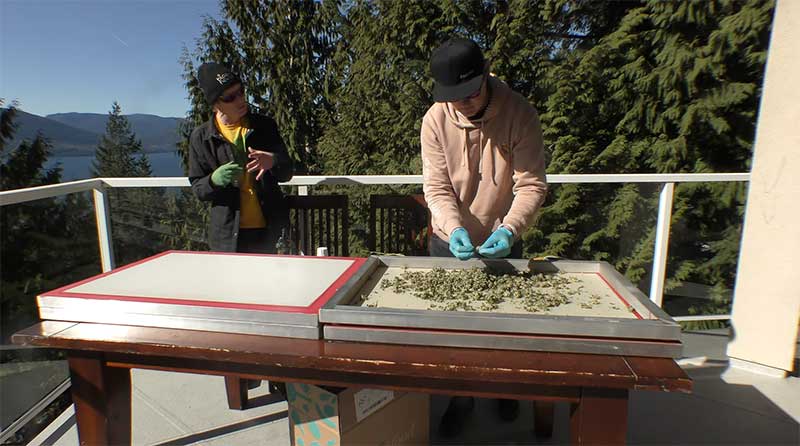
Place your material on the top screen and gently move it across the surface.
Important tips:
- Use light, controlled motion
- Avoid pressing too hard
- Keep movements steady
Let gravity do the work. High-quality dry sift screens will naturally allow fine particles to pass through without forcing unwanted material.
Step 4: Refine with Multiple Micron Screens
As the material moves through each layer of the dry sift screen set, it becomes increasingly refined.
- First screen → removes larger particles
- Middle screen → improves purity
- Final screen → collects fine resin
👉 Product Insight:
A precision-engineered dry sift screen micron system ensures each layer performs accurately, which is especially important for consistent, repeatable results.
Step 5: Collect and Store the Final Product
Once the process is complete, collect the refined material from the bottom screen.
Using a clean tool, gently gather the final output and store it in a dry, controlled environment.
A well-designed trichome screen set will make this step easier by providing a smooth, non-stick surface for collection.
How to Choose the Best Dry Sift Screen Set
Not all screen sets are created equal. When selecting a dry sift screen set, consider the following:
1. Micron Accuracy
Consistent micron sizing ensures better separation performance.
2. Material Quality
Look for durable options such as stainless steel or high-grade mesh for long-term use.
3. Multi-Layer Design
A complete multi micron screen set allows you to refine material step by step.
4. Frame Stability
A solid frame improves handling and prevents deformation during use.
👉 Recommended Approach:
Choose a professional-grade dry sift screen set for sale that includes multiple micron options. This gives you flexibility for different materials and processing goals.
Dry Sift vs Other Methods
Compared to more complex extraction techniques, dry sift offers clear advantages:
- No solvents required
- Simple workflow
- Lower equipment cost
- Easy to scale
A reliable dry sift extraction screen system is often the preferred solution for users who want efficiency without complexity.
Why Investing in a Professional Screen Set Matters
Using a high-quality dry sift screen set can significantly improve:
- Separation efficiency
- Product consistency
- Processing speed
- Overall yield
Professional-grade pollen screen set options are especially valuable for users who require stable and repeatable performance.
Conclusion: Start with the Right Tools
Learning how to do dry sift is straightforward—but achieving high-quality results depends on your setup.
With the right dry sift screen set, proper micron selection, and a controlled process, you can greatly enhance your efficiency and final output.
If you're looking for a dependable dry sift screen set for sale, choosing a well-designed, multi-micron system is the best way to ensure consistent and professional results.


评论
发表评论