Micron Size Chart Explained for Filtration: How to Choose the Right Filtration Micron Size
To achieve the required degree of efficiency and purity in any filtration operation, selecting the appropriate filtration micron size is essential. Knowing how a micron size chart functions will help you make more informed judgments and steer clear of expensive errors while working with liquids, air, or plant-based materials.
Introduction: Why Micron Size Matters in Filtration
Many users struggle with selecting the right filtration level simply because micron ratings can be confusing. This guide will break down the concept in a simple and practical way.
What Is a Micron Size?
A micron (also known as a micrometer) is a unit of measurement equal to one-millionth of a meter. It is used to describe the size of particles that a filter can capture.
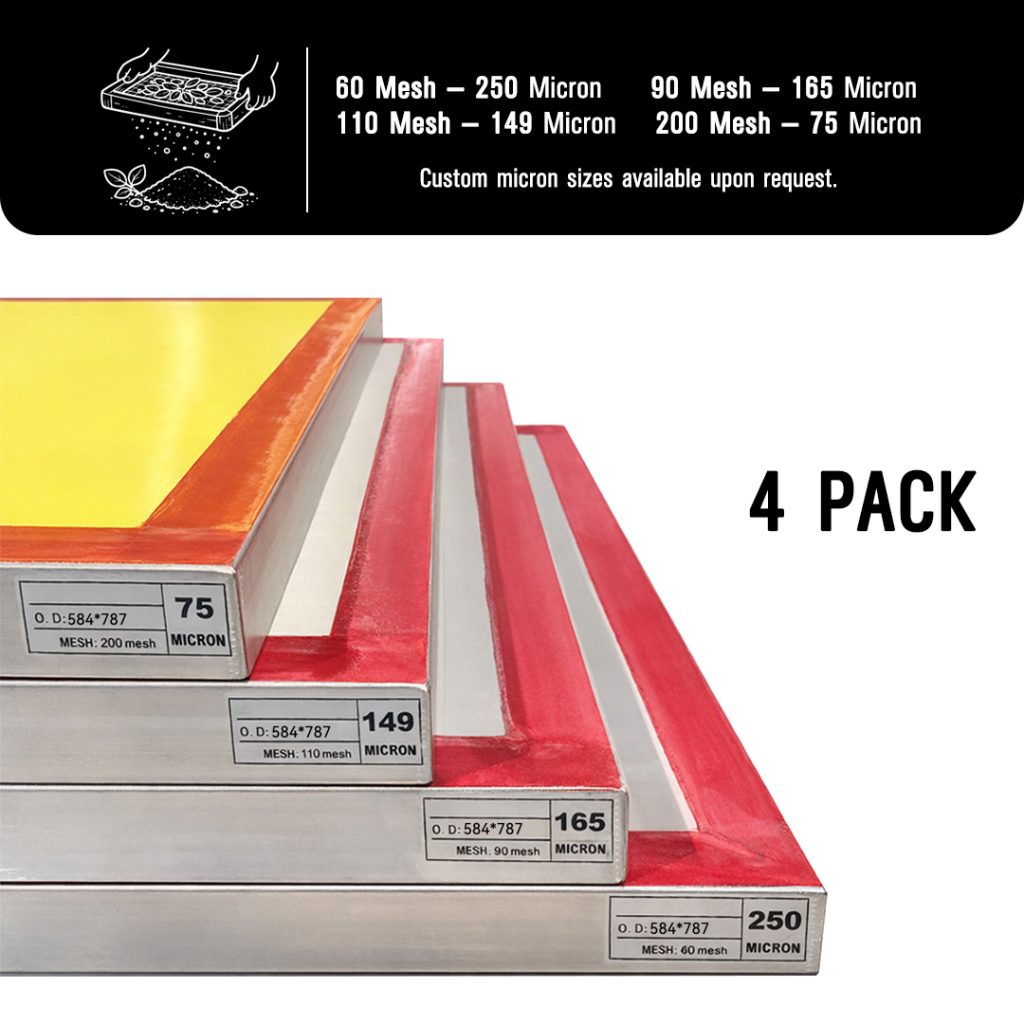
Understanding this concept is the foundation for using any micron size chart effectively.
Micron Size Chart Explained
A micron size chart helps visualize the relationship between particle size and filtration capability.
Here are some common references:
- 100 micron → visible particles like sand
- 70 micron → fine particles
- 25 micron → very fine particles
- 10 micron → small contaminants
- 1–5 micron → extremely fine particles
The smaller the number, the finer the filtration.
👉 In practical applications, selecting the correct filtration micron size depends on what you want to remove and what you want to keep.
How to Choose the Right Filtration Micron Size
Choosing the correct filtration micron size involves understanding your application:
1. Coarse Filtration (50–150 micron)
- Removes larger particles
- Improves flow rate
- Used as a pre-filtration step
2. Medium Filtration (20–50 micron)
- Balances flow and precision
- Suitable for general filtration needs
3. Fine Filtration (1–20 micron)
- Captures very small particles
- Used when high purity is required
👉 A well-structured micron size chart helps you determine which level fits your process best.
Micron Size in Different Filtration Applications
Different industries rely on specific filtration micron size ranges:
- Water filtration → typically 1–50 micron
- Air filtration → varies widely depending on system
- Plant material processing → requires precise micron control
- Industrial filtration → depends on contaminants
Using the correct micron size chart ensures that your system operates efficiently without clogging or loss of material.
Why Micron Size Matters in Screen-Based Filtration
When it comes to screen filtration, micron size becomes even more important. Unlike standard filters, screen systems rely on precise mesh openings to control separation.
For example, a multi-layer screen system allows gradual refinement:
- Larger micron screens remove bulk material
- Smaller micron screens refine the output
👉 This is where specialized tools like a Dry Sift Screen Set become valuable.
A well-designed Dry Sift Screen Set uses multiple filtration micron size levels to achieve controlled and consistent separation, especially in plant-based processing applications.
Common Mistakes When Using a Micron Size Chart
Even with a clear micron size chart, users often make these mistakes:
- Choosing too small a micron → reduces flow rate
- Choosing too large a micron → poor filtration quality
- Skipping multi-stage filtration → inconsistent results
The key is to match your filtration micron size to your specific goal rather than choosing the smallest option available.
How to Use a Micron Size Chart Effectively
To get the best results:
- Identify the particle size you want to remove
- Select a slightly smaller filtration micron size
- Use multiple stages if necessary
- Monitor performance and adjust
A properly used micron size chart allows you to optimize both efficiency and output quality.
Conclusion: Make Better Filtration Decisions
Understanding how a micron size chart works is essential for anyone involved in filtration. By selecting the correct filtration micron size, you can improve efficiency, reduce waste, and achieve more consistent results.
For applications that require precise control—especially in screen-based systems—using a multi-layer solution like a Dry Sift Screen Set can significantly enhance performance.
If you are still unsure how to select the right micron level, starting with a clear micron size chart and adjusting based on your results is always the best approach.


评论
发表评论